
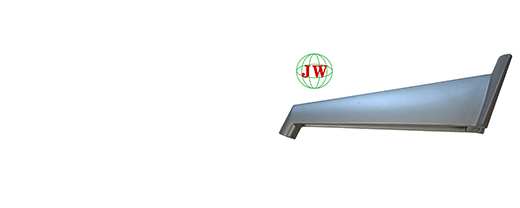
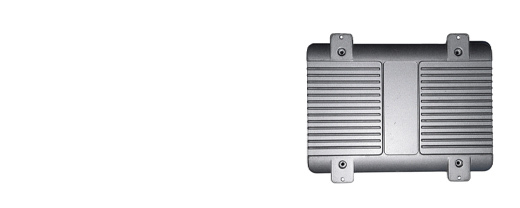
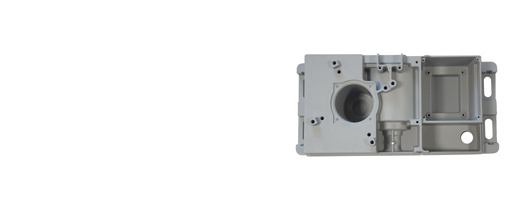
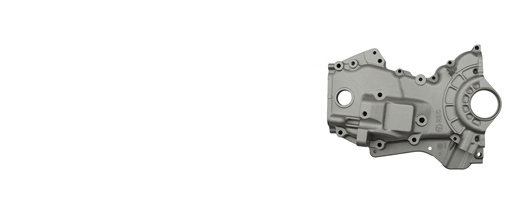
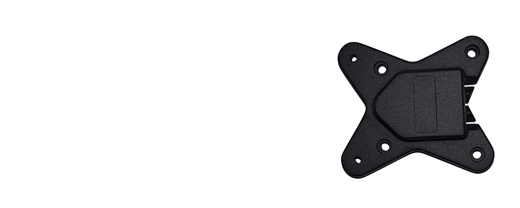



Conectores de alumínio fundido sob pressão para construção: impulsionando o futuro da construção pré-fabricada e sustentável.
2026-03-27 15:30
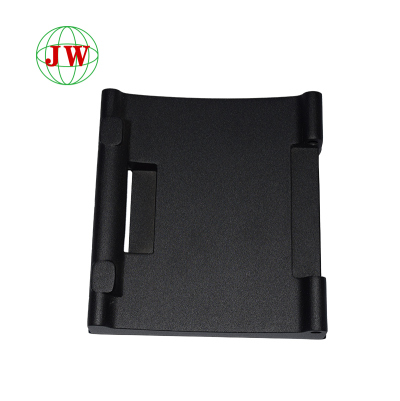
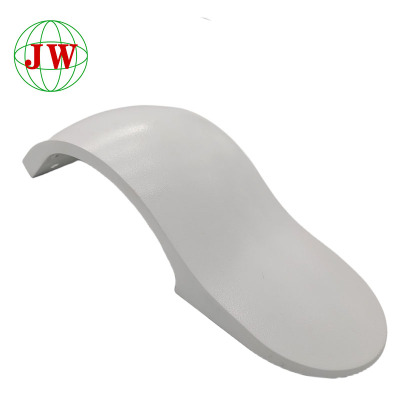
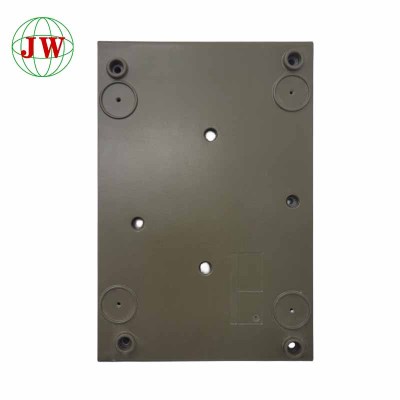
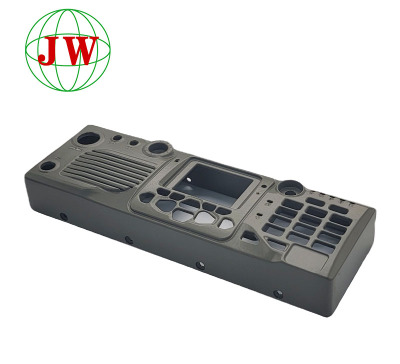
March 26, 2026 — The global construction industry is undergoing a profound shift toward prefabrication, green building, and structural efficiency, with aluminum die-cast building connectors emerging as a critical enabler of this transformation. These essential components, manufactured through advanced die-casting technology, serve as the backbone of modern building structures, connecting beams, columns, curtain walls, and prefabricated modules with unparalleled precision and durability. Driven by supportive government policies, rising demand for energy-efficient buildings, and the push for faster, safer construction, the market for aluminum die-cast building hardware is poised for robust growth, with projections indicating a steady expansion at a CAGR of over 14% through 2030. As the industry prioritizes sustainability and structural reliability, die-casting has become the preferred manufacturing method for building connectors, outperforming traditional materials and processes in both performance and environmental impact.
Aluminum die-casting stands out as the ideal technology for producing building connectors, addressing the construction sector’s most critical needs: strength, corrosion resistance, and precision assembly. Unlike steel connectors that are prone to rust and add excessive weight, or plastic alternatives that lack structural integrity, die-cast aluminum connectors leverage aluminum’s natural advantages—lightweight, high tensile strength, and inherent corrosion resistance—combined with the precision of die-casting to deliver components that excel in harsh construction environments. From curtain wall fasteners and prefabricated module joints to beam brackets and facade connectors, aluminum die-cast parts ensure seamless integration, structural stability, and long service life, even in coastal areas or regions with extreme weather conditions.
The versatility of high-pressure die casting (HPDC) technology enables the production of aluminum die-cast building connectors with complex geometries, tight dimensional tolerances, and consistent quality—essential features for modern prefabricated construction. Die-casting molds crafted from high-grade tool steel allow for intricate detailing, integrated reinforcement ribs, and custom shapes, catering to the diverse needs of architectural designers and construction engineers. This design flexibility means die-cast connectors can be tailored to fit any building type, from high-rise skyscrapers and commercial complexes to residential prefabricated homes and public infrastructure, without compromising on performance. Common aluminum die-cast building connectors include angle brackets, connection sleeves, locking pins, and curtain wall fittings, all manufactured to meet strict industry standards for load-bearing capacity and structural safety.
Material selection is a key factor in the performance of aluminum die-cast building connectors, with ADC12 and A380 aluminum alloys dominating the market for their exceptional castability, mechanical properties, and cost-effectiveness. ADC12 alloy, known for its excellent fluidity during die-casting, produces smooth surface finishes that require minimal post-processing, making it ideal for visible connectors in architectural facades. A380 alloy, with higher tensile strength and wear resistance, is preferred for heavy-duty connectors, such as those used in prefabricated steel-aluminum composite structures and high-rise building frameworks, where durability and load-bearing capacity are paramount. These alloys also offer excellent compatibility with surface treatments like anodizing, powder coating, and hot-dip galvanizing, enhancing their corrosion resistance and allowing them to match any building aesthetic.
Advanced die-casting technologies have further elevated the quality and efficiency of aluminum building connector production. Vacuum die casting minimizes internal porosity and air bubbles, enhancing the structural integrity and corrosion resistance of die-cast parts—critical for connectors that must withstand long-term exposure to the elements and heavy structural loads. Automated die-casting production lines, equipped with robotic handling and real-time quality control systems, reduce defects, improve production speed, and ensure consistent performance across large-volume orders. Post-casting processes such as CNC machining, deburring, and non-destructive testing refine aluminum die-cast connectors to meet the strict quality standards of the construction industry, including compliance with international building codes and safety certifications.
Sustainability is a driving force behind the growing adoption of aluminum die-cast building connectors, aligning with global efforts to reduce carbon footprints and promote green construction. Aluminum is 100% recyclable without losing its mechanical properties, and using recycled aluminum in die-casting reduces energy consumption by up to 95% compared to virgin aluminum production. The die-casting process itself boasts high material utilization rates, minimizing waste and reducing environmental impact. Additionally, the lightweight nature of aluminum die-cast connectors reduces transportation costs and carbon emissions during construction, while their long lifespan reduces the need for frequent replacements, lowering construction waste. As governments worldwide implement stricter environmental regulations and green building standards, die-cast aluminum components have become a go-to choice for sustainable construction projects.
The rise of prefabricated and modular construction has created new opportunities for aluminum die-cast building connector innovation. Prefabricated construction requires connectors that are easy to assemble and disassemble, yet strong enough to maintain structural stability—requirements perfectly met by die-cast aluminum parts. With global prefabricated building adoption on the rise, driven by policies mandating higher assembly rates, the demand for high-quality aluminum die-cast connectors is expected to surge. Additionally, the growing focus on smart buildings has pushed die-casting manufacturers to develop connectors that integrate with smart monitoring systems, enabling real-time structural health tracking and enhancing building safety.
Looking ahead, the future of aluminum die-cast building connectors is marked by continuous technological advancement and market expansion. AI-powered die-casting mold design and simulation software will optimize connector geometry, reducing lead times and improving production efficiency. The integration of lightweight, high-strength aluminum alloys and advanced surface treatments will further enhance the performance and sustainability of die-cast parts. As the construction industry continues to evolve toward prefabrication, green building, and smart infrastructure, aluminum die-cast building connectors will remain a critical component, driving innovation and setting new standards for structural reliability, efficiency, and sustainability in modern construction.
Notícias relacionadas
Mais >-
![Comunicado de imprensa: Solução avançada de fundição de alumínio reduz a porosidade e prolonga a vida útil do molde para componentes de veículos elétricos.]()
Comunicado de imprensa: Solução avançada de fundição de alumínio reduz a porosidade e prolonga a vida útil do molde para componentes de veículos elétricos.
Um fornecedor chinês de fundição sob pressão de alumínio lançou um pacote de fabricação otimizado por simulação para peças estruturais eletrônicas e de veículos elétricos, feitas de ligas A356 e ADC12. A solução integra simulação de fluxo térmico, projeto de resfriamento conforme e revestimento de molde PVD para solucionar problemas comuns, como porosidade por contração, rebarbas e fadiga térmica. Testes de produção demonstraram uma taxa de rejeição por porosidade muito menor e mais que o dobro da vida útil do molde, com precisão dimensional estável e redução da carga de usinagem. Os produtos atendem aos requisitos IATF16949 e EU CBAM para exportação. Diante da crescente tendência de mercado de redução de peso na indústria automotiva entre 2026 e 2030, a empresa enfatiza a qualidade estável, o controle de custos de ferramental e o prazo de entrega previsível para clientes OEM globais e apresentará suas soluções técnicas em feiras internacionais de metalurgia.
-
![Por que os moldes de fundição de alumínio geram rebarbas durante a produção em massa?]()
Por que os moldes de fundição de alumínio geram rebarbas durante a produção em massa?
Esta notícia do setor analisa por que os moldes de fundição de alumínio produzem **rebarbas** durante a produção em massa de **fundição sob pressão**. Rebarbas são finas camadas de metal que transbordam devido ao alumínio fundido que vaza pelas frestas do molde, gerando trabalho extra de pós-processamento, desperdício de material e riscos à qualidade dos componentes. As principais causas incluem **ferramentas** desgastadas ou deformadas, **força de fechamento** insuficiente, parâmetros de injeção inadequados, liga de alumínio de alta fluidez e projeto estrutural inadequado da peça. O artigo apresenta um fluxo de trabalho passo a passo para a solução de problemas: verificação do status da máquina, ajuste dos parâmetros do processo, reparo das superfícies de contato desgastadas do molde, aplicação da otimização DFM (Design for Manufacturing) e definição de uma tolerância razoável para rebarbas. O controle adequado reduz as rejeições relacionadas a rebarbas, estabiliza a produção em série e diminui o custo total de fabricação de componentes de fundição de alumínio.
-
![Vale a pena reparar moldes antigos de fundição em vez de fazer novos?]()
Vale a pena reparar moldes antigos de fundição em vez de fazer novos?
Este artigo discute se o reparo de moldes antigos de fundição sob pressão é vantajoso em comparação com a fabricação de novas ferramentas. Desgastes localizados menores, como erosão do canal de alimentação e trincas térmicas superficiais, podem ser reparados economicamente com soldagem e usinagem CNC, oferecendo prazos de entrega mais curtos para a produção remanescente limitada. No entanto, trincas estruturais profundas, reparos anteriores repetidos e cenários de produção em massa de alto volume tornam o reparo arriscado. Moldes reparados podem sofrer fissuras por tensão residual, desvio dimensional e maior refugo devido à porosidade ou acabamento superficial inconsistente. O custo total deve incluir perdas ocultas com refugo e tempo de inatividade, além das taxas diretas de reparo. Os compradores devem avaliar a gravidade do dano, o volume do pedido e o cronograma; a reconstrução parcial oferece uma solução intermediária entre o reparo completo e moldes totalmente novos para uma fabricação estável a longo prazo.
-
![Quais ligas de alumínio vocês utilizam na produção de fundição sob pressão?]()
Quais ligas de alumínio vocês utilizam na produção de fundição sob pressão?
A liga de alumínio é crucial para o desempenho da fundição sob pressão, influenciando a capacidade de fundição, o desempenho mecânico e o efeito do tratamento superficial. As ligas mais comuns incluem ADC12, A360, A380 e YL102, cada uma com suas vantagens e limitações. Os engenheiros de projeto devem avaliar os requisitos de carga, o ambiente de serviço, as necessidades de usinagem CNC e os custos antes de definir o material. Projetos internacionais frequentemente enfrentam riscos devido a inconsistências na nomenclatura e à necessidade de substituição da liga após a fabricação das ferramentas, o que pode levar a modificações no molde e atrasos. Os compradores devem compartilhar cenários de aplicação reais, enquanto os fornecedores precisam esclarecer as vantagens e desvantagens dos materiais e fornecer relatórios de testes. A especificação correta da liga reduz efetivamente os defeitos e estabiliza a qualidade da produção em massa.
-
![Notícias do setor: O setor de fundição de alumínio sob pressão enfrenta o duplo desafio da atualização inteligente e da conformidade com o CBAM da UE em 2026.]()
Notícias do setor: O setor de fundição de alumínio sob pressão enfrenta o duplo desafio da atualização inteligente e da conformidade com o CBAM da UE em 2026.
Em 2026, a indústria de fundição de alumínio sob pressão apresenta um crescimento constante, impulsionada pela demanda por peças leves para os setores automotivo e de móveis. A fundição integrada de ligas de alumínio sob pressão ajuda a reduzir o peso do produto e os custos de produção, enquanto os fabricantes modernizam as linhas de fundição a vácuo e de fusão de alumínio reciclado para diminuir as emissões de carbono. Para os exportadores, o CBAM da UE impõe regras rigorosas de carbono para produtos fundidos sob pressão do código HS 7616. Os clientes europeus têm direito a uma isenção mínima se as importações anuais permanecerem abaixo de 50 toneladas. As fábricas em Foshan preparam registros de embarque bilíngues, HAWBs (Helping Handling Boards - Certificados de Peso de Importação) e certificados de peso carimbados como comprovante de conformidade. O acabamento superficial utiliza pó Nippon e uma imitação econômica do pó Tiger. No futuro, a produção inteligente e a rastreabilidade completa do carbono se tornarão elementos essenciais para a competitividade dos fabricantes de peças fundidas sob pressão voltados para a exportação.
-
![Como controlar a deformação de componentes de alumínio fundidos sob pressão com paredes finas]()
Como controlar a deformação de componentes de alumínio fundidos sob pressão com paredes finas
Este artigo aborda os problemas de deformação dimensional em peças fundidas de precisão com paredes finas, analisando cinco fatores principais de influência e suas soluções. O desequilíbrio térmico do molde e a contração inconsistente durante a solidificação causam empenamento assimétrico na peça fundida, enquanto a conformação rápida gera tensões residuais ocultas que levam à deformação tardia após o processamento CNC. Estruturas de paredes finas com baixa rigidez são altamente sensíveis à diferença de resfriamento e à força de ejeção. Otimizações sistemáticas, incluindo resfriamento conforme, projeto de canais de alimentação balanceados e tratamento de alívio de tensões, estabilizam efetivamente a planicidade e a tolerância dimensional, solucionando os defeitos de deformação mais comuns em lotes de componentes de alumínio fundido de alta precisão.
-
![Quais são os defeitos mais comuns em peças fundidas de alumínio sob alta pressão?]()
Quais são os defeitos mais comuns em peças fundidas de alumínio sob alta pressão?
Este artigo aborda falhas frequentes em componentes de alumínio fundidos sob alta pressão, cobrindo cinco dimensões principais: formação de poros e cavidades de contração, defeitos superficiais causados por projeto inadequado do molde de fundição, a influência dupla da sobremedida de usinagem CNC na cobertura de defeitos, os severos danos que os defeitos de fundição causam ao acabamento superficial pós-processamento e planos de melhoria em toda a cadeia para peças de alumínio fundido qualificadas. Vazios internos não podem ser removidos por corte CNC; defeitos superficiais residuais causam bolhas no revestimento, descoloração e refugo do lote. Otimizar os parâmetros de exaustão, resfriamento e injeção do molde é a maneira fundamental de reduzir defeitos, em vez de simplesmente aumentar a sobremedida de usinagem.
-
![É possível concluir a usinagem CNC após a conformação por fundição sob pressão?]()
É possível concluir a usinagem CNC após a conformação por fundição sob pressão?
Este artigo discute se a usinagem CNC completa pode ser realizada após a fundição sob pressão para peças fundidas de alumínio personalizadas, e confirma que o método é maduro e amplamente aplicado na manufatura industrial. A análise é dividida em cinco seções, abordando defeitos inerentes à fundição de peças brutas, padrões razoáveis de configuração da sobremedida de usinagem CNC, fluxos de trabalho padronizados para a produção de componentes, como a estrutura do molde de fundição influencia a eficiência da usinagem CNC e a comparação custo-benefício entre os modos de fundição em uma única etapa e fundição com usinagem. Peças brutas fundidas não processadas atingem os limites de precisão de montagem devido a desvios dimensionais e imperfeições superficiais; o corte CNC posterior remove rebarbas, poros e camadas irregulares para alcançar tolerâncias na ordem de mícron. O projeto otimizado do molde e o controle adequado da sobremedida de usinagem reduzem os custos de produção e as taxas de refugo, tornando a fundição combinada com usinagem CNC completa a principal solução para componentes estruturais de alumínio de precisão.
Obter o preço mais recente? Responderemos o mais breve possível (dentro de 12 horas)